How altitude affects travellers
Travelling high in western China means meeting thin air, and how it affects you is personal. Some guests feel nothing much; others get a headache, sleep badly or lose interest in food for a day or two. The main factor is how quickly you go up, which is something we can control.
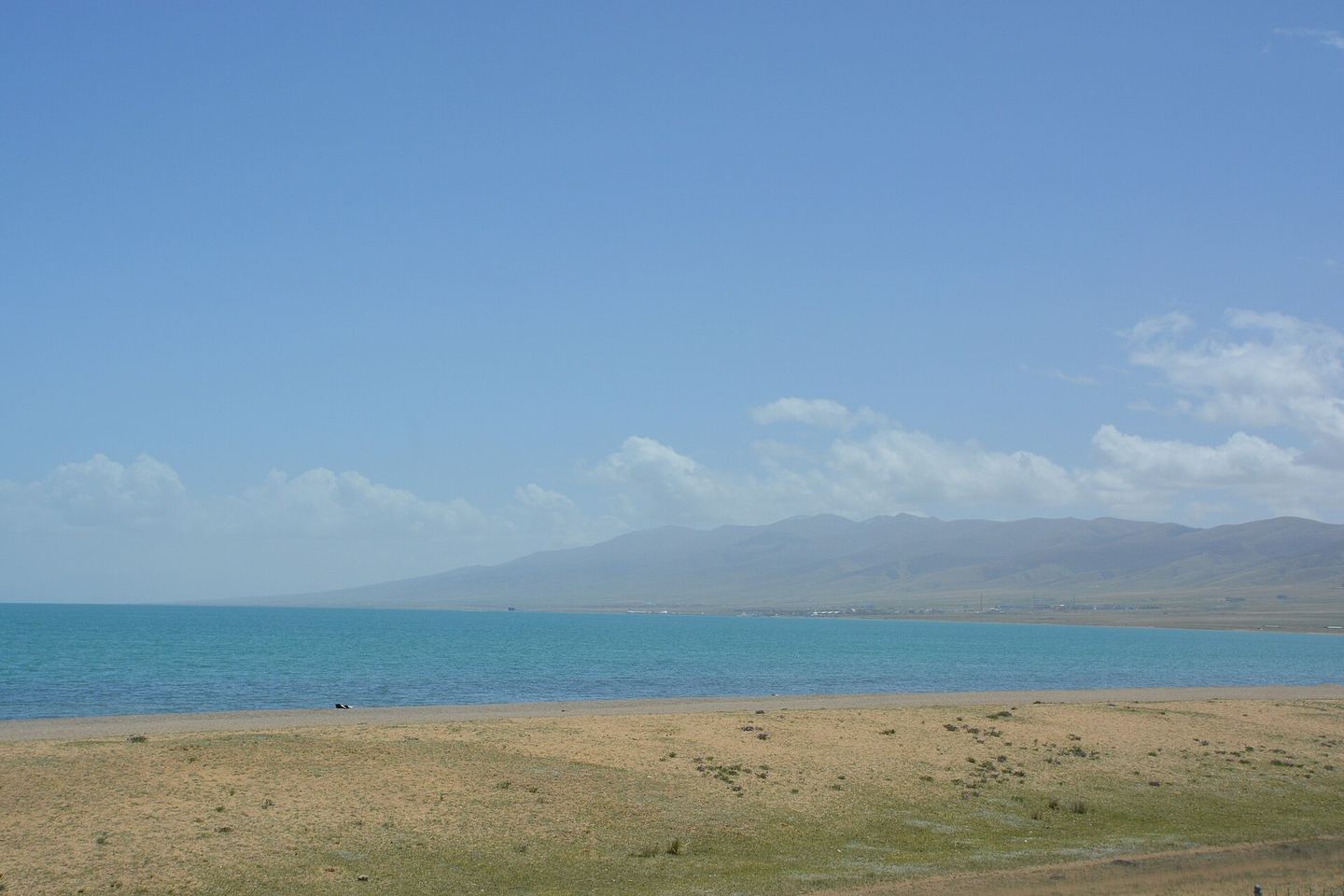
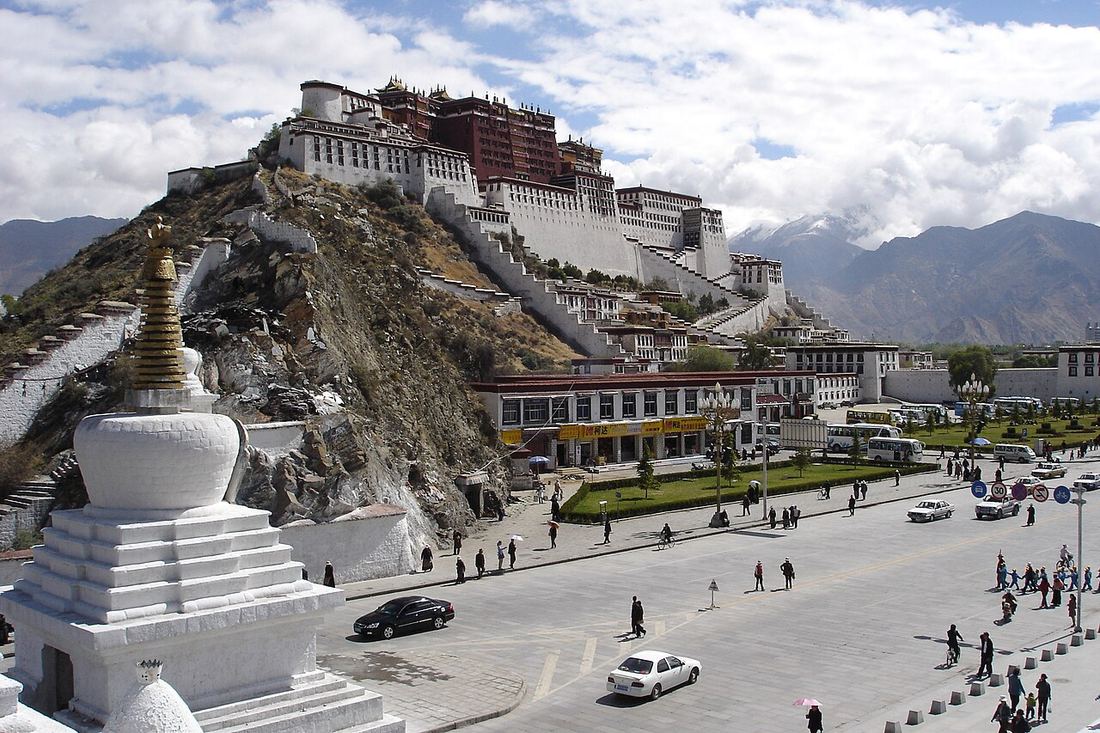
It helps to know the numbers. Qinghai Lake sits at roughly 3,196 metres, Lhasa at about 3,650 metres and Namtso at around 4,718 metres. The higher the altitude, the greater the chance of symptoms, so the shape of the first few days matters more than any single place on the route.
How we build altitude into a trip
We plan ascents gradually rather than all at once. The first day after arriving at altitude is deliberately light, with no activities scheduled, and the next two days keep to an easy rhythm. Only after that do we move higher. This gives your body time to adjust instead of forcing it to keep up with a fixed schedule.
- No scheduled activity on the first day at altitude.
- A relaxed pace across the first two days.
- Oxygen carried in the vehicle on high-altitude routes.
- The itinerary adjusted to how you actually feel.
Who should take extra care
If you have a heart condition, high blood pressure or a serious respiratory problem, high-altitude travel is not generally advisable, and we would rather say so plainly than take the booking. For anyone with a health concern, the sensible step is to speak to your own doctor before the trip and take their advice seriously.
When to just ask us
If you are worried about altitude, tell your consultant early, and we can shape the route around lower ground or a slower ascent. Our detailed altitude guide covers the practicalities, and the same consultant stays with you throughout the journey.