How to choose where to go in China
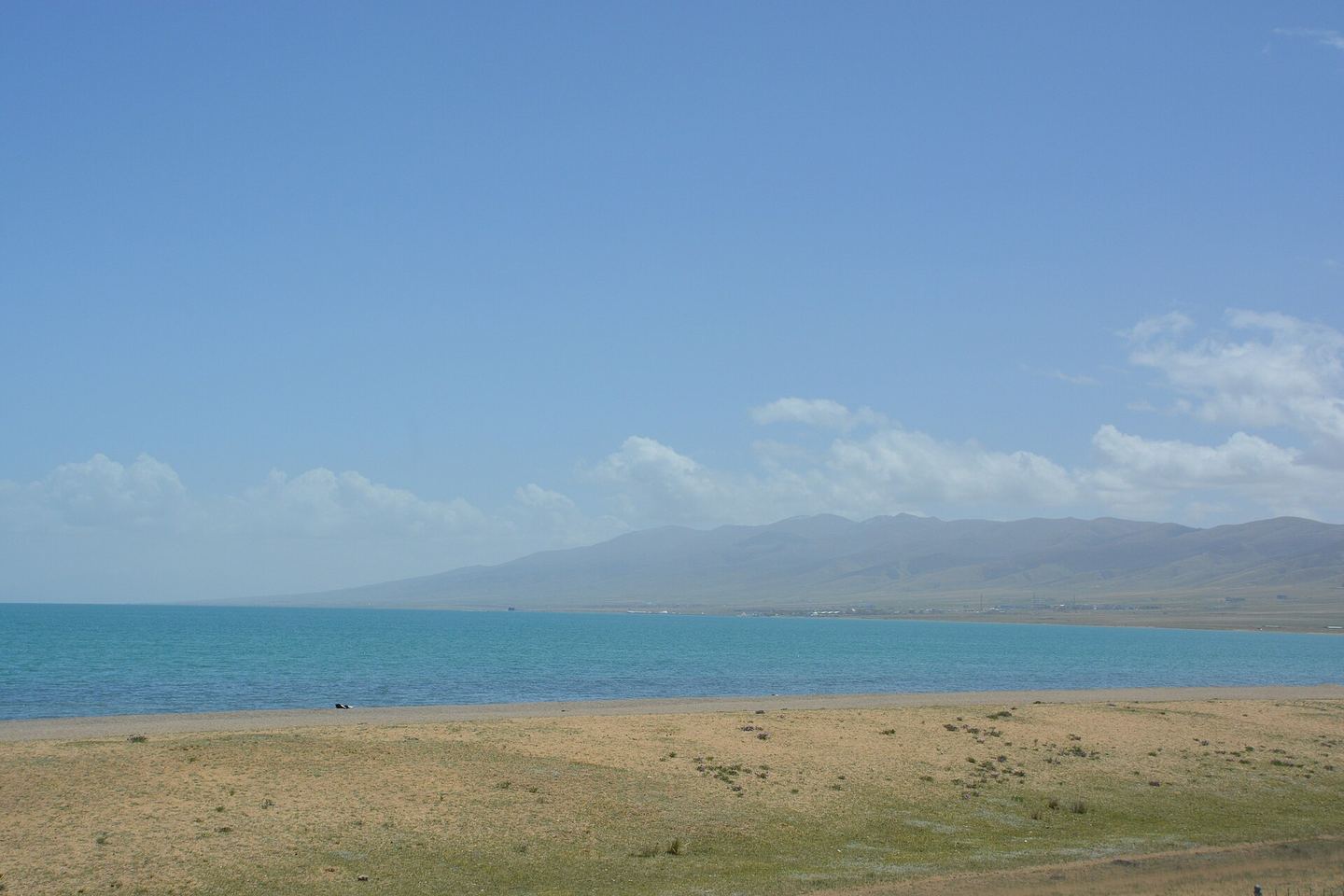
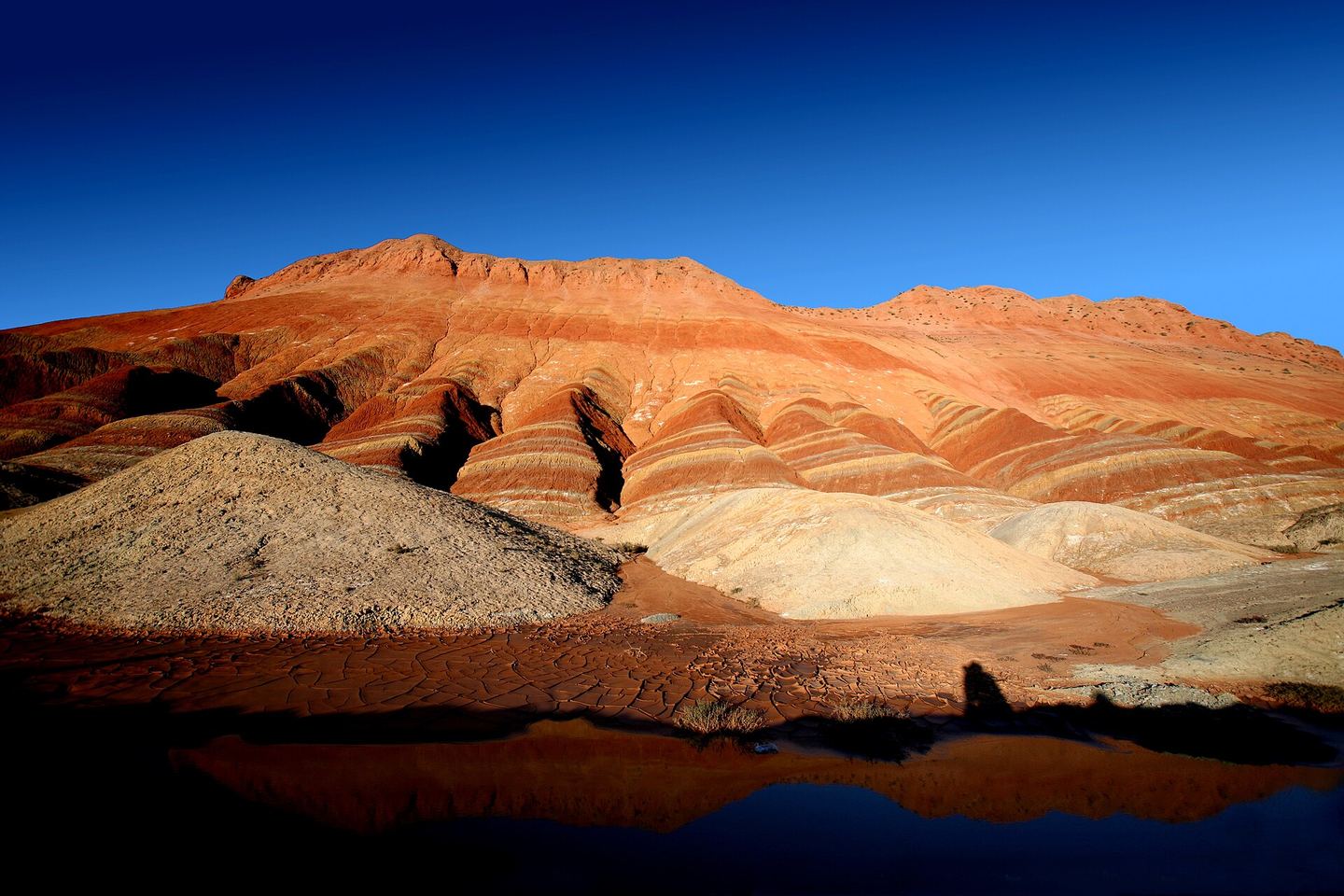
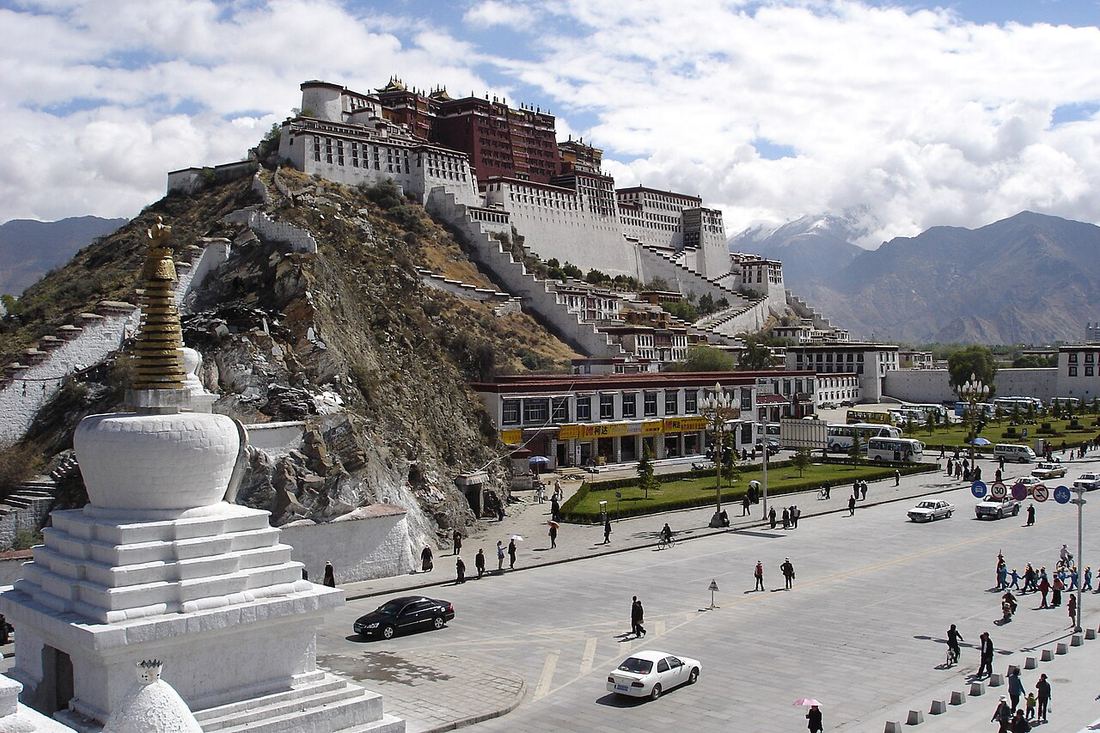
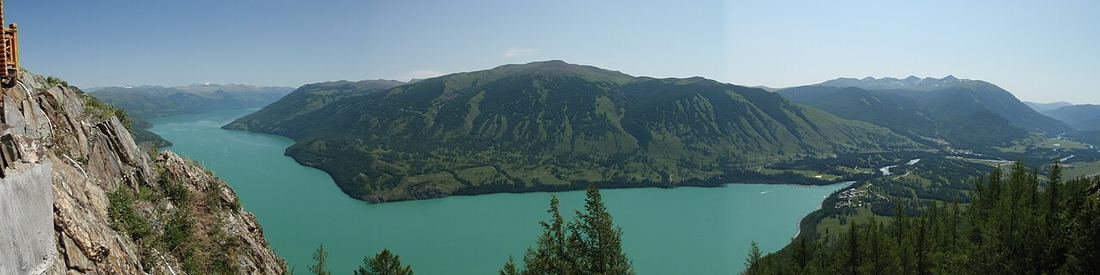
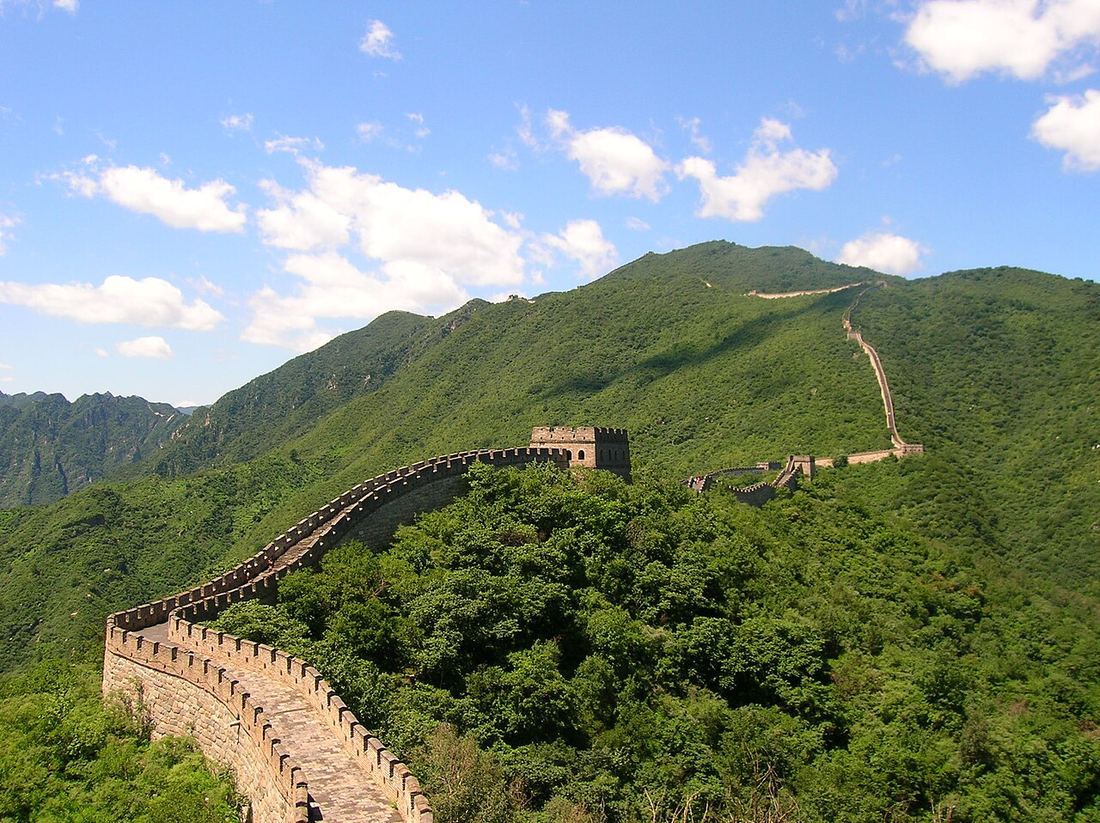
Regions we cover: Qinghai, Gansu, Tibet, Xinjiang, Sichuan, Hunan, Guangxi, Shaanxi, Beijing, Shanghai and East China. Three things decide it: season, altitude and transport. Qinghai and Gansu are at their best from June to October, with the Menyuan rapeseed fields in July and the Qilian autumn colours in September. Tibet suits May to October; it is high, it needs a gradual approach, and the permit has to be arranged in advance. Xinjiang is most comfortable from June to September, with the birches turning gold in mid-September. Sichuan, Hunan, Guangxi and East China work year-round — winter is damp and cold but quiet. Each destination page below lists its best season, temperatures and altitude so you can filter quickly.
Transport decides how tight a trip feels. From Hong Kong, high-speed rail reaches Guangxi, Hunan and Fujian directly, and there are direct flights to Xining, Lanzhou, Chengdu and Xi'an. From Taiwan most destinations are a direct flight or one connection away. Where altitude changes sharply, we build in a night at a lower elevation first so the body has time to adjust before going higher — that pacing is written into the day-by-day plan rather than improvised on the road.
One province, or several in one trip?
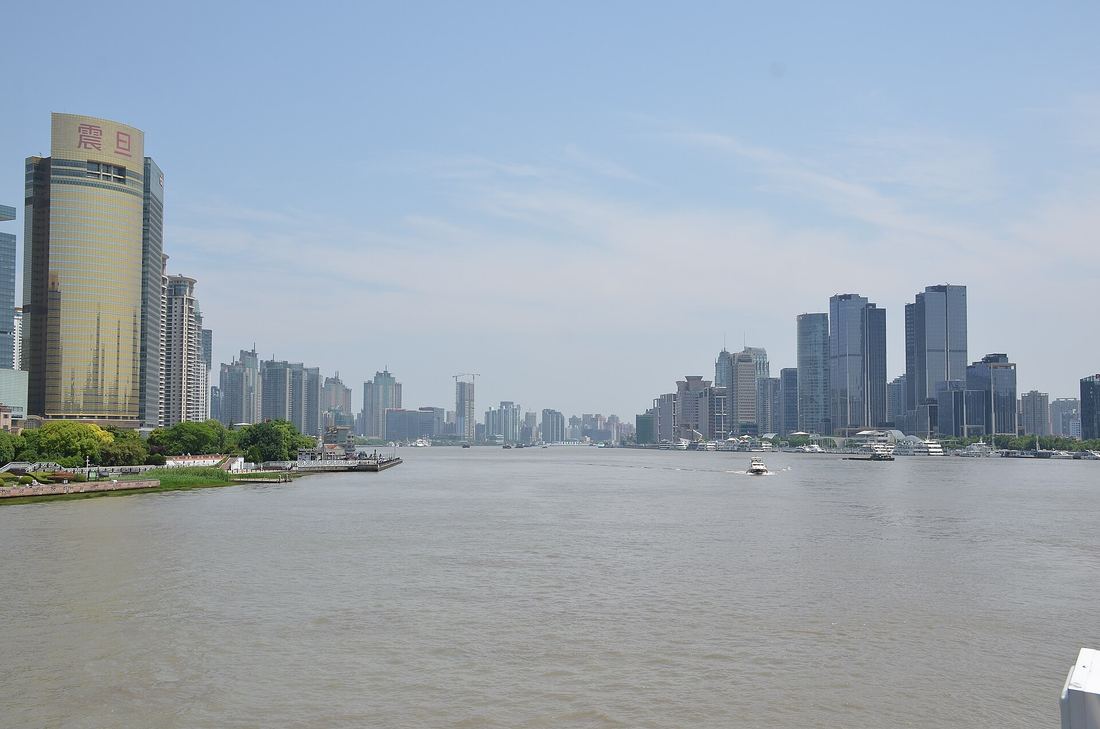
With 5 to 7 days, stay inside one province — Qinghai or Gansu, for example. With 8 to 10 days, the Qinghai–Gansu Grand Loop works well. With 12 days or more you can link Beijing, Xi'an, Dunhuang and Shanghai. Long chains need their days budgeted for transport and rest, especially when elderly parents are travelling. We will show you two versions — what fits, and what we would leave out — so the trade-off is yours to make.