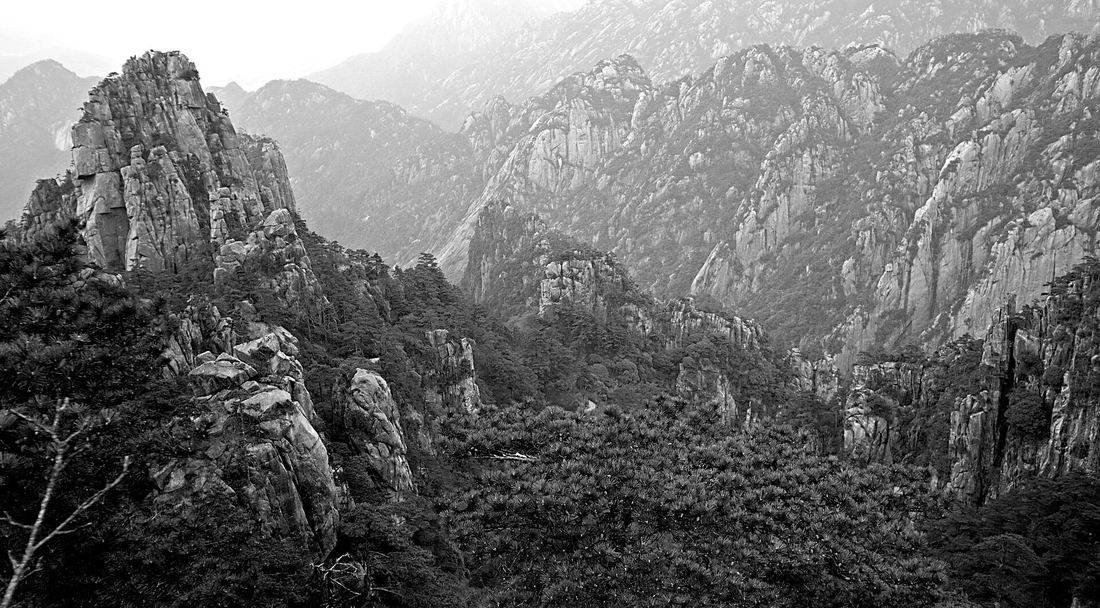
The sweet spots
The most comfortable months in East China are March to May and September to November. Spring brings blossom and fresh green, autumn brings clear, cool days, and both are the periods we recommend first. There is no need to choose between the cities and the mountains in these windows; both are at their best.
Spring in the Jiangnan region can be showery, so light rain gear and shoes with grip are worth packing. Autumn evenings cool down quickly, and a thin jacket earns its place.
The months to think twice about
- Mid-June to mid-July brings the plum rains and a lot of grey, wet weather.
- July and August turn hot and humid, which drains energy at outdoor sights.
- December to February is damp and cold, so pack proper warm layers.
If your dates are fixed
Holiday dates are not always movable, and that is fine. When your trip falls in summer we alternate outdoor sights with indoor ones through the day and keep away from the midday heat. In winter we lean on museums, tea houses and shorter walks, and choose hotels that are warm and central.
What matters is matching the itinerary to the season rather than fighting it. A well-ordered summer day in East China can be thoroughly enjoyable; a poorly ordered one is simply tiring.
A common misunderstanding
Guests sometimes judge the region by a single bad-weather week and conclude they picked the wrong month. In practice the climate here shifts from week to week, and a flexible private itinerary can move the outdoor day to the sunniest slot.
When to just ask us
Tell us your dates and what you most want to see, and we will advise honestly on what the season will give you, then build the days so the weather works with you rather than against you.