- Why Tibet is different from everywhere else in China
- The permit process and how long it takes
- The risk that must be accepted: temporary entry restrictions
- Altitude pacing: the most important design variable
- How many days make sense
- Potala Palace: the ticket that needs the most forward planning
- In Tibet, the guide matters more than anywhere else
- Insurance: the one thing not to economise on
- How the cost breaks down
- Who should think twice
- Seven questions for any Tibet operator
- In closing: Tibet rewards patience, not bravado
Why Tibet is different from everywhere else in China
Across most of mainland China, travellers move around independently with real-name registration. Tibet is the exception. Taiwan travellers and foreign nationals must hold a Tibet Travel Permit, and that permit cannot be obtained individually — it must be arranged through a travel agency in Tibet. The holder must also travel with a guide and follow the declared itinerary.
Two consequences follow. First, there is no turning-up-and-seeing option: airlines check the permit at check-in, so without it you cannot even board. Second, your movements in Tibet are bound to your guide, including the daily itinerary, accommodation and sites visited, all of which must match what was declared.
Hong Kong residents are slightly different: holders of a Home Return Permit do not need a Tibet Travel Permit, but they still register in real name and must be received by a travel company with a guide. The paperwork is lighter, but the requirement that a travel company organise the trip is the same.
- Taiwan travellers: Tibet Travel Permit arranged by a local Tibet agency; must travel with a guide
- Foreign nationals: Chinese visa plus Tibet Travel Permit; must travel with a guide
- Hong Kong residents on a Home Return Permit: no Tibet permit, but real-name registration and a travel-company arrangement with a guide
The permit process and how long it takes
Documents required for a Tibet Travel Permit include a copy of the passport or permit, confirmed entry and exit dates and cities, a full day-by-day itinerary including each night's accommodation and the sites to be visited, and basic background information. The agency submits these to the relevant authority.
Processing normally takes 10 to 15 working days, longer in peak season or around festivals. If Tibet is part of your itinerary, the permit should therefore be the first step in planning, not the last. Our advice is to start immediately once dates are fixed, and to book flights only after the permit is issued.
One further point worth knowing in advance: the permit is a physical original document that must be carried into Tibet; copies are generally not accepted. If the plan extends to Everest Base Camp, Ngari or parts of Nyingchi, a separate border-area permit is required, and this is usually applied for together with the Tibet permit.
The risk that must be accepted: temporary entry restrictions
This is rarely volunteered by travel companies, but it is real: Tibet occasionally restricts entry for Taiwan travellers and foreign nationals at short notice for policy or weather reasons. That is not within any operator's control, and when it happens there are usually two options — change the dates, or switch to an alternative route.
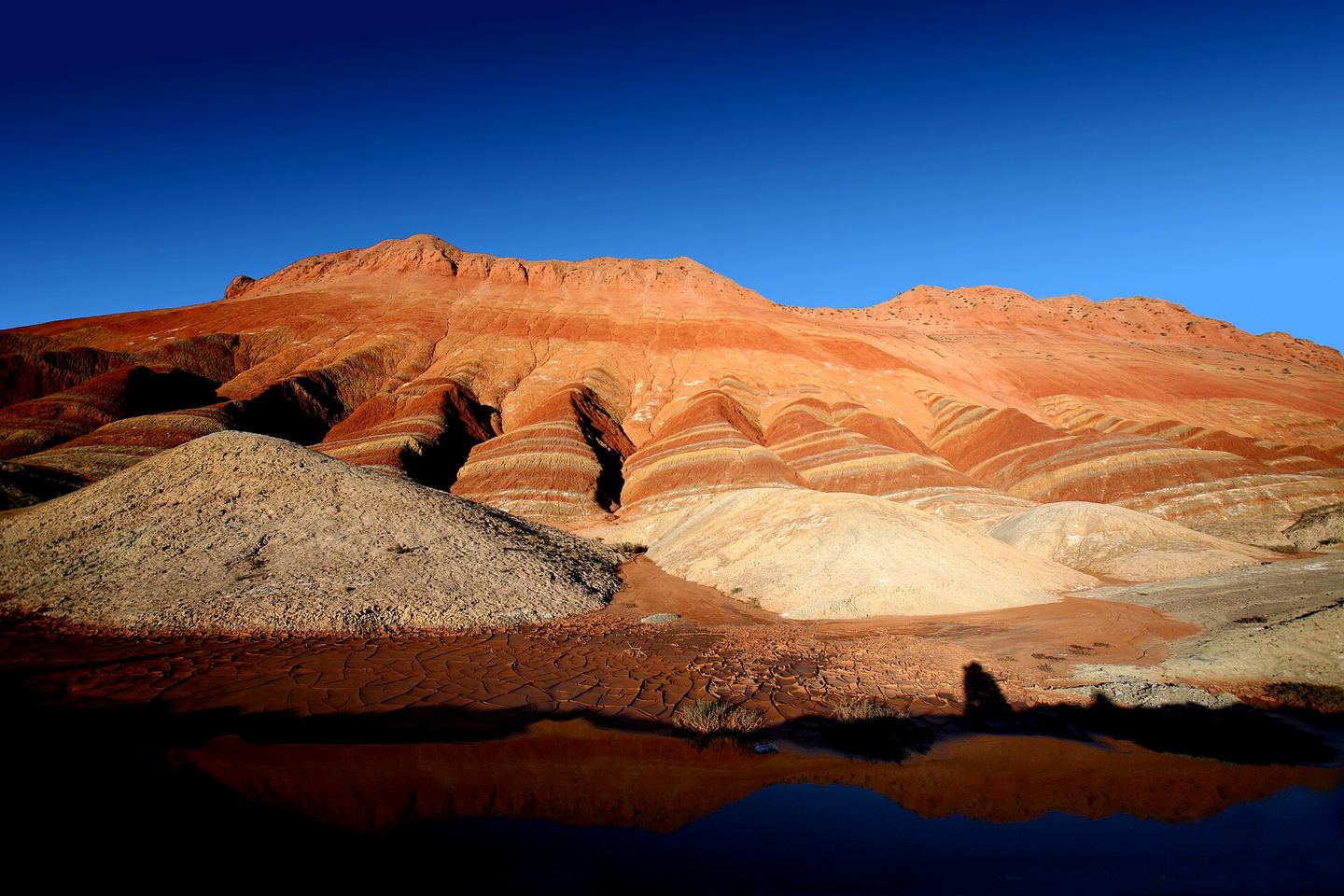
The responsible approach is to explain this risk during planning and to prepare a fallback. Our practice is to raise it when the itinerary is confirmed, and where necessary to offer an alternative in Qinghai, Gansu or western Sichuan — regions that offer high-altitude landscapes and Tibetan culture without the same restrictions.
If a company says nothing about this during the enquiry stage, that is worth noting. It may not know, or it may have chosen not to mention it. Either way, you find out at the least convenient moment.
Altitude pacing: the most important design variable
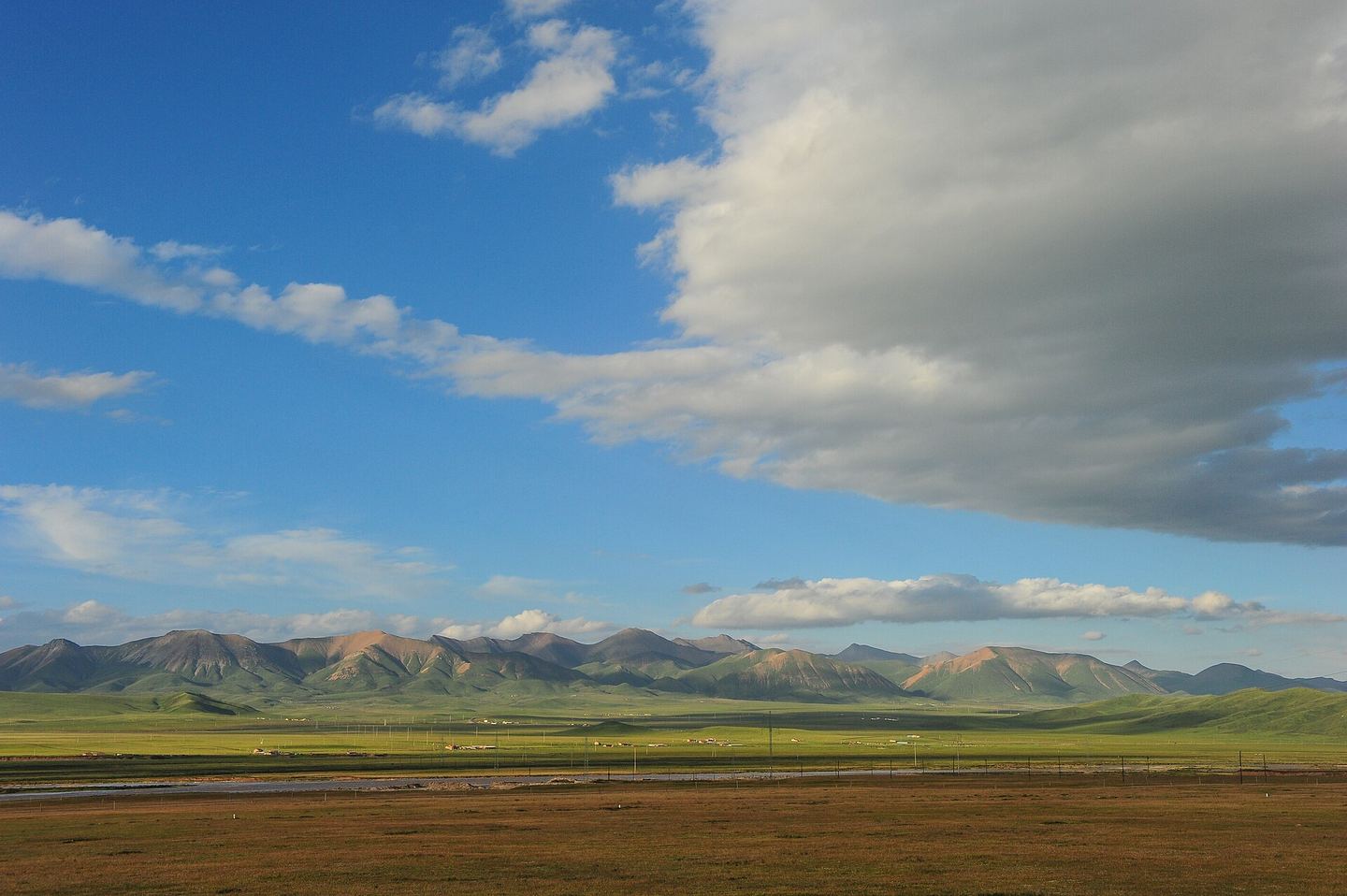
Lhasa sits at about 3,650 m, Shigatse around 3,836 m, Namtso about 4,718 m and Everest Base Camp about 5,200 m. Those numbers set the central rule of Tibet itineraries: do not rush. The body needs time to acclimatise, and the rate varies between individuals regardless of fitness.
Our design principles are straightforward. No activity at all on the first day in Lhasa — rest only. The first three days stay in Lhasa, which is comparatively low and has the best medical facilities. Only on the fourth day do we move to higher ground such as Namtso. Oxygen cylinders travel in the vehicle, and hotels are chosen for lifts and reliable heating.
The common mistake is scheduling Namtso for the second day in Lhasa. On paper that looks efficient; in practice it is risky, because developing altitude sickness at 4,718 m means a multi-hour evacuation. We would rather an itinerary look slow than compress the acclimatisation window.
How many days make sense
| Option | Days | Covers | Suits |
|---|---|---|---|
| Lhasa essentials | 5–6 | Potala Palace, Jokhang Temple, Barkhor, Norbulingka | Limited time; Lhasa only |
| Lhasa plus Namtso | 7–8 | Adds Namtso at 4,718 m | Wanting a high-altitude lake and able to handle the altitude |
| Lhasa, Shigatse, Everest | 10–12 | Adds Tashilhunpo, Yamdrok Lake, Everest Base Camp | Generous time; wanting the full line |
Longer is not automatically better. If your body is sensitive to altitude, walking eight days comfortably beats forcing twelve. The Tibet experience comes from being there, not from how many places you cover.
Potala Palace: the ticket that needs the most forward planning
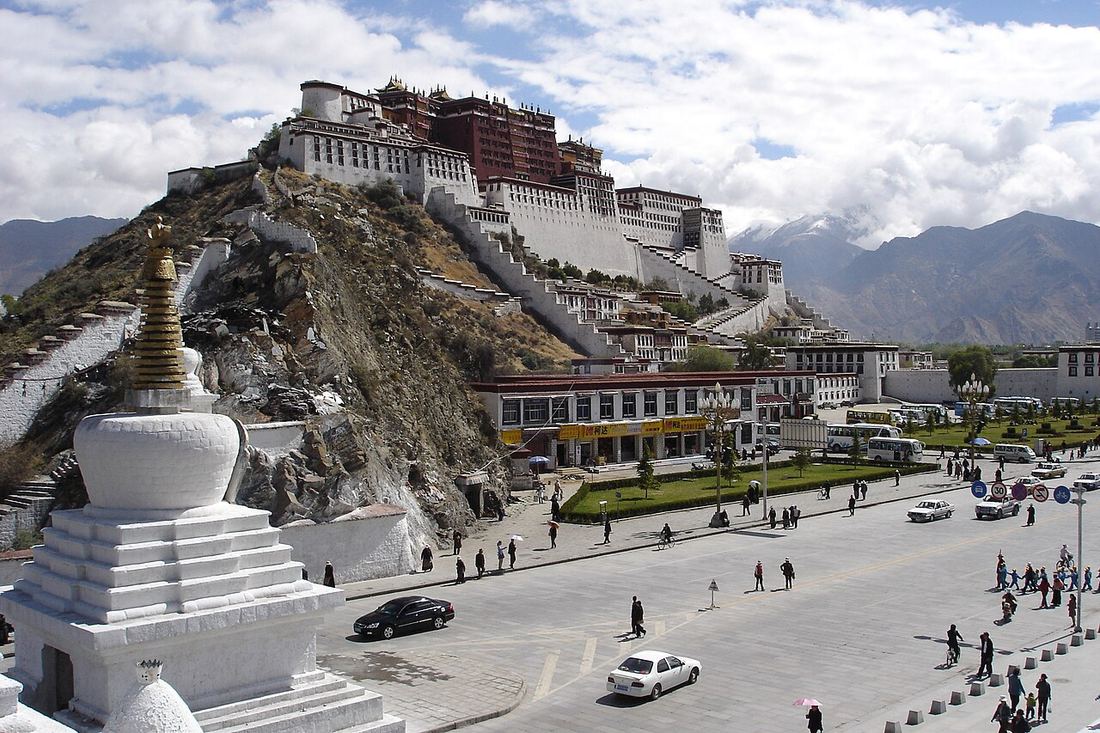
The Potala Palace is a UNESCO World Heritage site and the most symbolic building in Tibet. Visits operate on a strict booking system, with timed entry slots and a limited time inside. That means the day's planning has to be built around whatever slot you are allocated.
If your slot is in the morning, the afternoon can take in the Jokhang Temple or Norbulingka. If it is in the afternoon, spend the morning walking the Barkhor. These details look minor, but they determine whether the day feels organised or rushed.
Two further notes: photography is prohibited inside the Potala, and the visit involves a considerable number of steps, so it requires some fitness. We do not schedule it for the first two days in Lhasa — going after acclimatisation is noticeably more comfortable.
In Tibet, the guide matters more than anywhere else
Elsewhere in China a guide is a bonus. In Tibet a guide is a requirement, for three distinct reasons. Legally, Taiwan travellers and foreign nationals must travel with a guide. Culturally, the monasteries, rituals and mural narratives need explanation to be understood. Practically, if someone develops altitude sickness, the guide is the person who handles it.
So when choosing a Tibet itinerary, the identity of the guide should be a specific question rather than a vague promise. Ask whether the guide is Tibetan or Han, how many groups they have led, what the protocol is when a guest has altitude sickness, and where the local hospitals and oxygen chambers are. More specific answers mean more credibility.
Our standard is a locally licensed guide, with emergency contact details written into the itinerary. Familiarity with local hospitals and oxygen chambers is a baseline requirement, not an extra service.
Insurance: the one thing not to economise on
Travel insurance that includes high-altitude cover is important for Tibet. Standard travel policies often exclude emergency rescue and medical evacuation at altitude, which is precisely the cover that matters most here.
Three clauses to check: whether high-altitude areas are explicitly covered, whether emergency medical transport and evacuation are included, and whether the claims process is workable. Some policies use vague wording, and people discover the exclusion only when they need it. That is the worst possible time.
We flag this when confirming a Tibet itinerary and suggest storing the policy number and emergency contact details on your phone. It is not a sales pitch — insurance feels superfluous when you buy it and essential when you use it.
How the cost breaks down
Tibet cost structures are more complex than elsewhere because they include items unique to the region: the Tibet Travel Permit, a locally licensed guide (guide capacity in Tibet is relatively limited), oxygen and high-altitude support, and border-area permits in some cases.
One further variable that is often overlooked is the vehicle. Tourist vehicles in Tibet are typically tied to the guide, and some routes such as the Everest line impose vehicle requirements. That makes vehicle cost higher than in other provinces for a comparable number of days.
The logic of assessing the quote is the same as anywhere: ask for it itemised, and specifically clarify whether the permit, guide, oxygen and border permits are included. A Tibet quote expressed as a single total gives you no way to judge what it actually covers — and in Tibet those items determine feasibility.
Who should think twice
Tibet is not suitable for everyone, and it is worth saying so plainly. Consult a doctor first if there is cardiovascular disease including poorly controlled hypertension, serious respiratory illness including asthma, anaemia, or a history of sleep apnoea. Pregnancy and very young children generally rule it out as well.
This is not alarmism. High altitude is a genuine physiological load, and medical resources and evacuation options in Tibet are more limited than in mainland cities. Assessing the risk beforehand is a duty to yourself and to whoever travels with you.
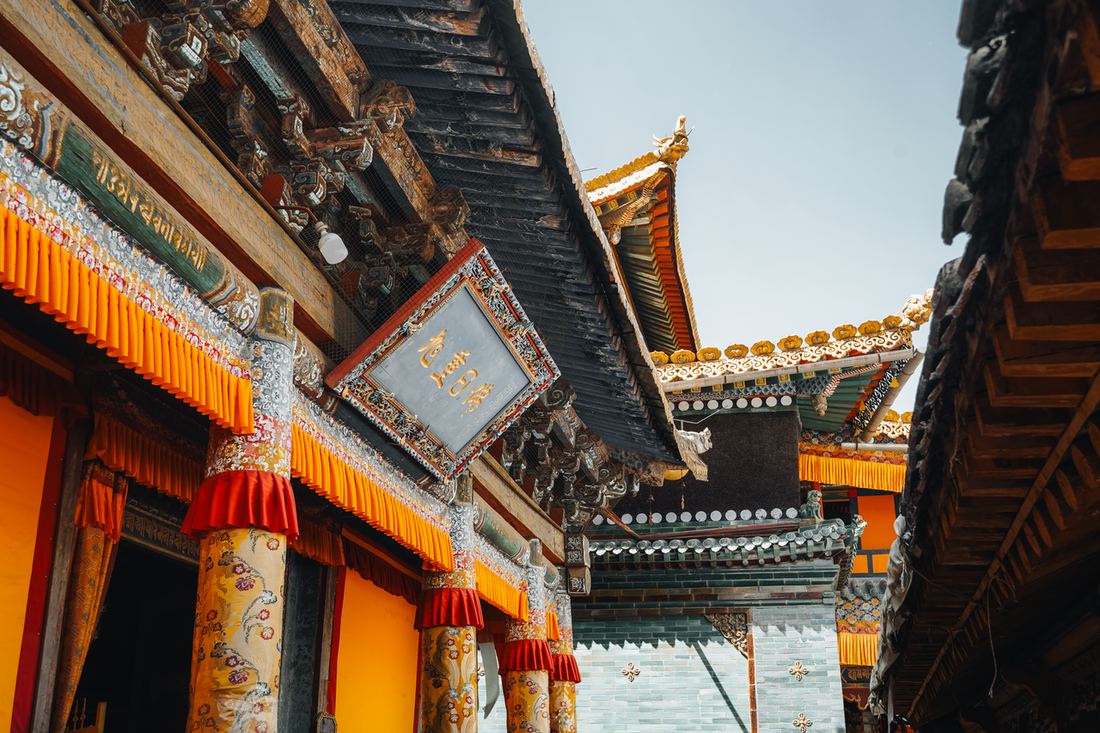
If the assessment rules Tibet out, Qinghai and Gansu are strong substitutes. Qinghai offers high-altitude lakes, Tibetan Buddhist monasteries such as Kumbum, and Tibetan culture, with most of the route between 2,200 and 3,200 m — a much lower threshold. Many guests who initially considered Tibet end up on the Qinghai–Gansu route and rate it just as highly.
Seven questions for any Tibet operator
- Do you explain the permit processing time, and what happens if it is not approved?
- Do you mention the risk of temporary entry restrictions?
- How is the altitude pacing designed? Is anything scheduled for the first day in Lhasa?
- Is the guide locally licensed? Tibetan or Han, and how many groups have they led?
- Is oxygen carried in the vehicle, and what are the hotel heating and oxygen arrangements?
- Does the insurance include high-altitude cover and emergency medical evacuation?
- Does the quote itemise the permit, guide, oxygen and any border-area permits?
Once you have answers to those seven, your assessment of the operator is fairly reliable. The barrier in Tibet is not scenery — it is organisation, because the trip is a chain of small things that cannot go wrong.
In closing: Tibet rewards patience, not bravado
Tibet is often described as a challenge, as though courage were required. My observation is the opposite. What Tibet actually requires is patience: waiting for the permit, waiting for your body to adjust, waiting for the light, and accepting that some arrangements are not yours to control.
Accept that rhythm and the rewards are considerable — the Potala at dusk, pilgrims prostrating along the Barkhor, Namtso mirroring Nyenchen Tanglha. None of it has a substitute. China Custom Tours arranges Tibet permits and border permits, locally licensed guides and vehicles, progressive altitude pacing and oxygen in the vehicle. Tell us your dates, group size and days, and we will assess feasibility first, then propose an itinerary and price.