- The three periods to avoid
- The two golden windows
- Spring (March to May): comfortable south, still cold north
- Summer (June to August): cool at altitude, humid in the south
- Autumn (September to November): the strongest overall
- Winter (December to February): what off-season really looks like
- Best months by destination
- The real trade-offs of off-season travel
- A practical sequence for choosing your dates
- If you can only travel in peak season
- In closing: timing is the most underestimated variable
The three periods to avoid
If you ask when not to travel in China, there are three clear answers. First, late July to late August: the national school holiday, when family travel surges and prices and demand rise across the board. Second, 1 to 7 October: the National Day holiday, a nationwide long weekend whose visitor intensity exceeds even the summer. Third, around Chinese New Year: the Spring Festival travel rush, when transport capacity is extremely stretched.
Why avoid these windows? Not simply because they are busy, but because they sell out. The better hotels along Qinghai Lake, timed-entry tickets to Mogao Caves, well-reviewed guides and drivers, seats on popular rail routes — all of these get committed in advance. Even if you are willing to pay, arriving to find nothing available is the most frustrating situation there is.
One further peak is easy to miss: late March to mid-April, when cherry blossom season coincides with the Qingming holiday. Hotel prices in the Jiangnan region around Wuhan, Nanjing, Wuxi and Suzhou rise noticeably. Anyone chasing blossom needs to plan that window early.
- Late July to late August — national school holidays, family travel peaks
- 1 to 7 October — National Day holiday, visitor intensity above summer levels
- Around Chinese New Year — Spring Festival travel rush, transport capacity stretched
The two golden windows
If your dates are flexible, the two months I recommend most are June and September. Both offer stable weather, crowds below peak, comparatively sensible prices, and most destinations close to their best condition.
June's advantage is new growth. Grassland in Qinghai and Gansu begins to green up, rapeseed opens around Menyuan and Qinghai Lake depending on that year's temperatures, Jiangnan has not yet entered the plum rains, and northern temperatures are comfortable. It is considerably quieter and cheaper than July.
September's advantage is clarity. The rains have ended, the air is clean and visibility is at its best — ideal for photography. Gansu's grassland turns golden and Qinghai Lake deepens in colour, while Mogao Caves tickets are comparatively easier to secure. Note that late September starts the autumn-colour peak in Xinjiang and Inner Mongolia, though that is a different route's congestion.
Spring (March to May): comfortable south, still cold north
Spring is one of the most pleasant seasons across much of China, with clear regional variation. Jiangnan — Shanghai, Suzhou, Hangzhou, Nanjing — is mild from March to May, with gardens and water towns at their best. Late April to May is the prime window.
The north — Beijing, Xi'an, Shanxi — is still cold in March, and dust storms remain possible until mid-March. Beijing's comfortable period runs roughly mid-April to May, and again September to October. Xi'an is similar. The Qingming holiday at the end of March is a minor peak in Jiangnan and needs early booking.
The southwest — Chengdu, Chongqing, Guizhou — is rainy in spring with more cloud, though the landscape is a lush, damp green that has its own appeal. The Sichuan basin is relatively mild, and Jiuzhaigou's water volume builds from April to June, making it a good window.
Summer (June to August): cool at altitude, humid in the south
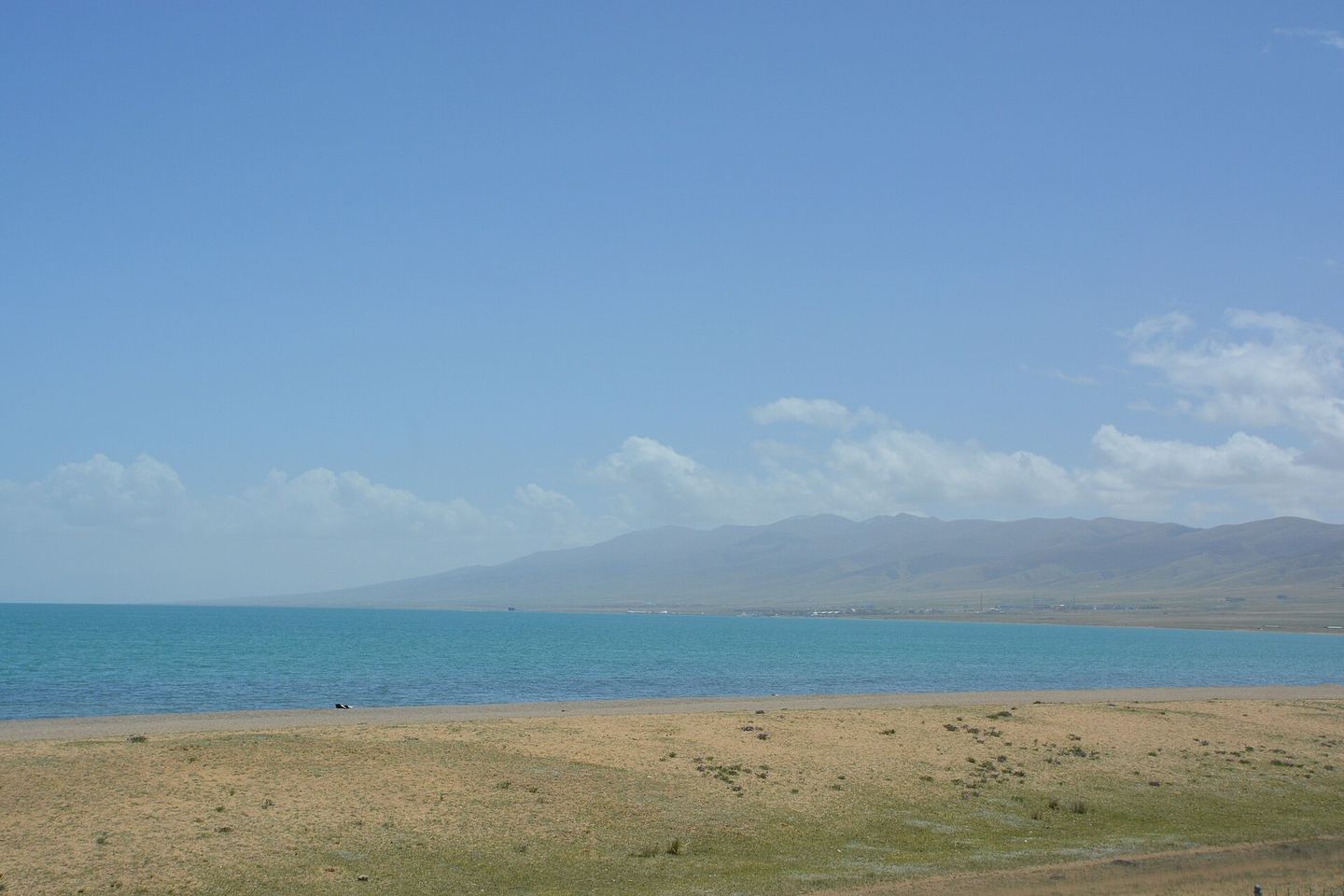
Summer is the season of greatest climate contrast. Qinghai, Gansu, Tibet and northern Xinjiang are at their most comfortable — around Qinghai Lake, summer temperatures sit between roughly 15 and 24 degrees, and mornings and evenings may need a jacket. It is a genuine escape from the heat.
The south is a different story. Jiangnan sees the plum rains from mid-June to mid-July, humid and oppressive, and July and August bring temperatures above 35 degrees with high humidity. So the phrase summer in China must be tied to a region: Qinghai is a pleasure, Shanghai is a test.
Also worth planning for is rain. Qinghai and Gansu see afternoon showers in July and August, and Jiuzhaigou and Huanglong are rainy in summer. These showers rarely disrupt an itinerary, but carry rain gear and leave some flexibility.
Autumn (September to November): the strongest overall
Autumn scores highest overall because it satisfies three conditions at once: stable weather, strong scenery and relatively few public holidays apart from National Day. September and early October are the golden window, after which temperatures fall.
Autumn colour arrives at different times in different places. Kanas in Xinjiang turns golden from mid-September to early October; Inner Mongolia's grassland and birch forest from late September to early October; Beijing's Fragrant Hills in late October to early November; Jiangnan is most comfortable in mid-to-late November. Chasing autumn colour means aiming at a specific region at a specific time.
The period to avoid is 1 to 7 October. Visitor intensity is very high, hotel prices can double and popular scenic areas become crowded. Moving the trip to late September or after 8 October changes the experience dramatically for almost no loss of scenery.
Winter (December to February): what off-season really looks like
Winter is the off-season, though off-season does not automatically mean unsuitable. The advantages are clear: few people, low prices and dramatically different scenery. Qinghai Lake freezes, Dunhuang is almost empty, and snow over the Forbidden City is an image many travellers hold in mind.
The disadvantages are equally clear: cold. The north — Beijing, Xi'an, Gansu — can fall to minus 10 or minus 15, and parts of Qinghai lower still. The south — Shanghai, Hangzhou, Guilin — is not extreme in temperature, but damp cold combined with limited indoor heating often feels worse than the number suggests.
In addition, some scenic areas close or reduce access in winter. Parts of Qinghai's salt lakes close, some Huangshan trails shut due to ice, and some Xinjiang roads close. If you are travelling in winter, confirm each destination's winter arrangements rather than planning from summer information.
Best months by destination
| Destination | Best window | Avoid | Note |
|---|---|---|---|
| Qinghai and Gansu | June, September | Late July to late August; 1–7 October | July has the fullest rapeseed but the most people |
| Tibet | May–June, September–October | July–August rains, though temperatures are best | Winter is possible but some roads close |
| Northern Xinjiang | June–August (green); mid-Sept to early Oct (autumn) | 1–7 October | Autumn timing depends on that year's temperatures |
| Sichuan and Jiuzhaigou | April–June, September–October | July–August rains | Autumn is the most beautiful and the busiest |
| Beijing and Xi'an | April–May, September–October | July–August heat | Winter snow is beautiful but very cold |
| Shanghai and Jiangnan | March–May, September–November | Mid-June to mid-July plum rains; July–August heat | Late March Qingming is a blossom-season peak |
| Guilin and Yangshuo | April–October | July–August humid heat | The Li River is fuller and more dramatic after summer rain |
| Zhangjiajie | April–June, September–November | July–August heat and crowds | December to February brings rime ice; some cableways may close |
The real trade-offs of off-season travel
The main advantage of the low season — broadly November to March, plus May — is unhurried travel: cheaper hotels, quiet scenic areas, easier guides and drivers, and no queues for photographs. For budget-conscious travellers, or anyone who dislikes crowds, it is well worth considering.
There are trade-offs to accept. Some scenic areas close or reduce access. Daylight is short, narrowing the golden windows for photography at sunrise and sunset. In the north, cold itself limits time outdoors. And some experiences are inherently seasonal — Qinghai's rapeseed, Kanas' autumn colour — and simply unavailable.
So whether off-season is good value depends on your objective. If you want scenery, relaxation and photography, it is excellent. If you are chasing a specific phenomenon, you have to travel in that window; there is no substitute.
A practical sequence for choosing your dates
- Decide what you must see — autumn colour, blossom, or simply relaxation. This sets the season.
- Consider your party — with older parents or young children, avoid the hottest and coldest periods.
- Check the peak periods — if your dates collide with summer, National Day or Chinese New Year, shifting by a week usually helps considerably.
- Confirm availability — in peak season, good hotels and timed-entry tickets are often harder to secure than flights, so check those first.
That order matters. Many people book flights first because flights look like the biggest expense, then book hotels and itinerary, and discover that the critical timed-entry ticket is already gone. The correct sequence is the reverse: identify the hardest item to secure first.
If you can only travel in peak season
If peak season is unavoidable — school holidays, for example — several adjustments improve the experience. First, run the route in reverse: most people travel clockwise, so anticlockwise can avoid the crowd at certain points. Second, schedule the most popular sights for early morning or late afternoon, avoiding the guided-group peak between roughly 10am and 3pm.
Third, accept second-best options. If Mogao Caves normal tickets are unavailable, Yulin Caves and the Western Thousand Buddha Caves are strong substitutes with far fewer visitors and good guides. At Qinghai Lake, when the official scenic area is crowded, the western ring road outside the ticketed zone is often more pleasant.
Fourth, and most effective: start early. Popular resources in peak season are typically committed one to three months ahead. The earlier you begin, the more options remain. This is why we suggest fixing dates first and then choosing the details.
In closing: timing is the most underestimated variable
When planning a China trip, attention tends to go to which places to visit, with dates treated as a given. In reality timing has the largest influence of any variable — it determines weather, crowds, prices and occasionally whether a destination is visitable at all.
So treat which month as the first question to answer, not the last. Choose well and many problems disappear on their own; choose badly and even a well-designed itinerary is compromised. China Custom Tours asks about date flexibility when confirming an itinerary and advises according to that year's blossom timing, rains and holiday pressure.
If your dates are not yet fixed, tell us roughly which month you are considering and where you would like to go, and we will suggest options and alternatives by month.