Why this matters
Xinjiang is a long way from most travellers' everyday experience, and it is natural to want reassurance before committing to a trip. The honest answer is that the cities and scenic areas are orderly and the places visitors usually go are well managed. The main adjustment is not danger but unfamiliar routine.
Understanding what to expect on the ground removes most of the uncertainty. Once you know why the checks happen and how they work, they become an ordinary part of the day rather than something to worry about.
How it works in practice
Security screening is thorough and routine. Entering railway stations, shopping centres and some scenic areas commonly involves showing identification and having bags checked. This is normal local procedure, applies to residents as well as visitors, and simply requires a little patience rather than concern.
- Cities and scenic areas are orderly and well managed.
- Expect identity and bag checks at stations and large venues.
- Carry your ID at all times and keep it easy to reach.
- Keep a photocopy or a photo of your documents as backup.
What to watch out for
The most common friction point is simply paperwork. Keep your identification where you can produce it quickly, and store a copy or a photograph separately in case the original is misplaced. Travellers who are organised about this rarely find the checks a burden.
Beyond that, the practical support matters more than anything. Your guide accompanies you throughout the trip, so there is always someone local to handle questions or unexpected situations. You also have your consultant on WhatsApp for the duration, with round-the-clock emergency support, and the China toll-free line as a further point of contact.
When to just ask us
If you have specific concerns, ask us rather than relying on second-hand accounts. We can explain what everyday travel in the region actually involves and put your mind at ease about the practical details. Following local rules and your guide's arrangements is what makes these trips run smoothly.
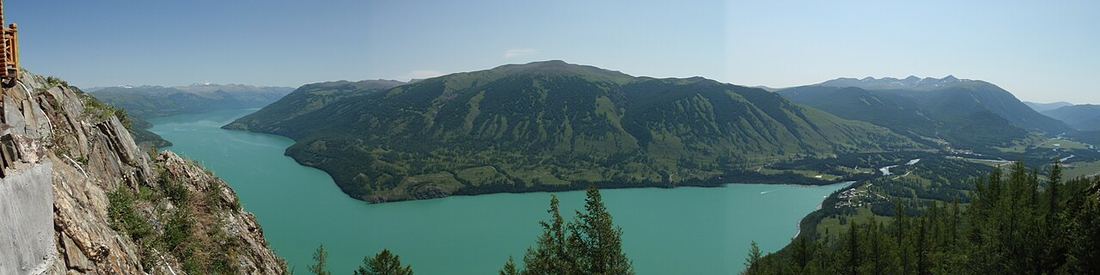
This question comes from Kanas Lake, Xinjiang