What the two extra days actually buy
Eight days is the tightest version that still completes the full circuit. The links between towns are shorter on paper, but some driving days run long and the sightseeing is fitted around them, which suits confident travellers with limited time.
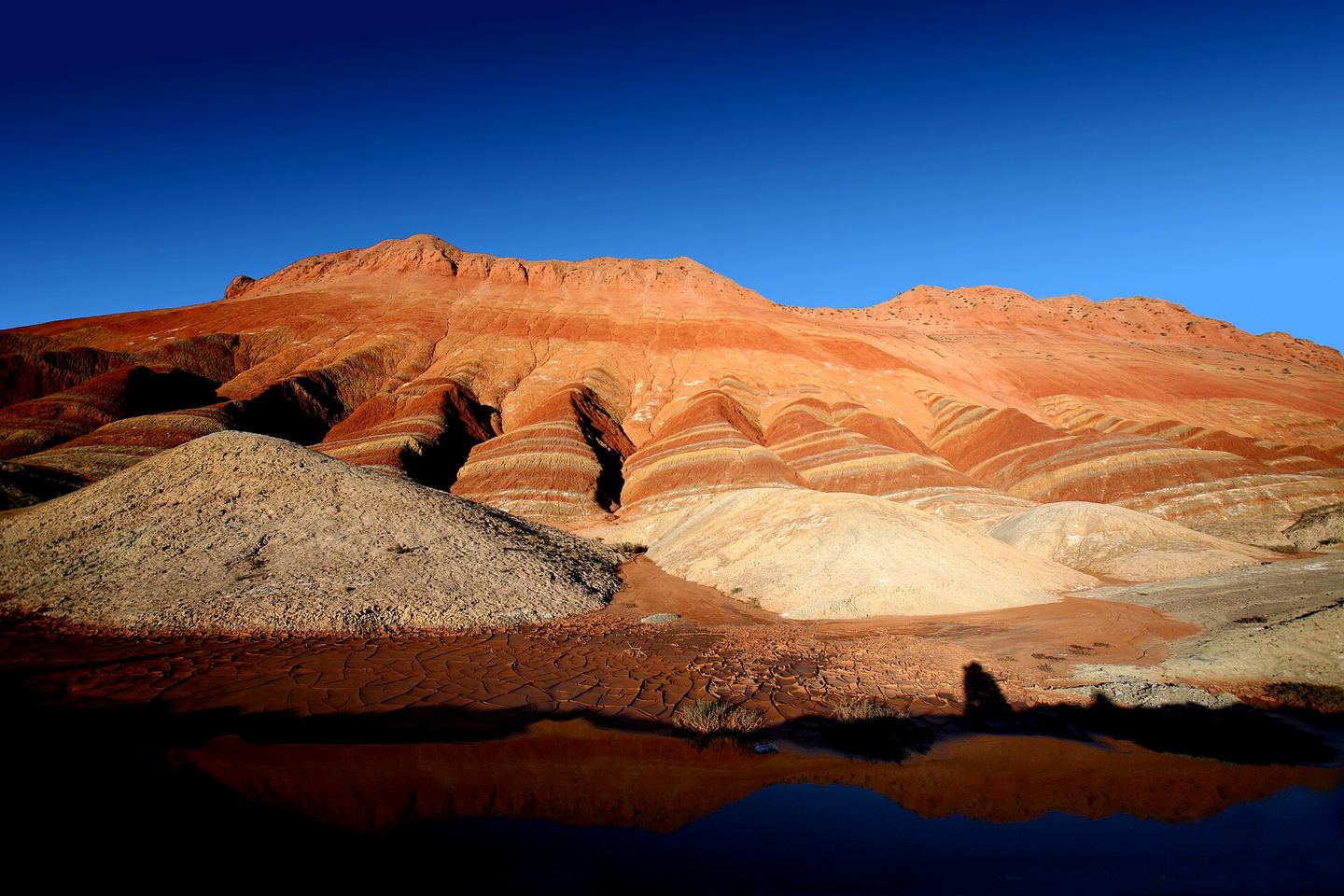
Ten days loosens the very same route. It adds a full circuit of Qinghai Lake, brings in Guide Danxia, and gives Dunhuang an extra day so that Yumen Pass and the Yardang landforms are included rather than squeezed. Both versions cover the highlights; the difference is depth and rest, not whether you see the famous places.
How to choose
The honest answer depends less on the sights than on who is travelling and how much holiday you have. If the group includes older parents or young children, the ten-day shape is almost always the kinder choice, because the long drives are broken up and there is more room to breathe between them.
- Limited holiday and good stamina: eight days covers the core of the loop
- Travelling with family or older guests: ten days, with the long drives split
- Fixed dates in peak season: either works, but book hotels and caves early
- Weather or road closures: more days simply mean more flexibility to reshuffle
Where the extra time goes
It is not spent idling. The additional days are used at the lake itself, where a second night makes sunrise and sunset possible, and around Dunhuang, where the western sites deserve a full day rather than a hurried afternoon. That is what turns a good loop into a relaxed one.
Either way, the daily driving stays within sensible limits and we confirm the final arrangement with you item by item before departure, so nothing is a surprise once you are on the road.
When to just ask us
Tell us how many days you have and who is coming, and we will say plainly whether eight or ten fits better, and where we would spend the extra time on your particular dates.
This question comes from Qinghai–Gansu Grand Loop