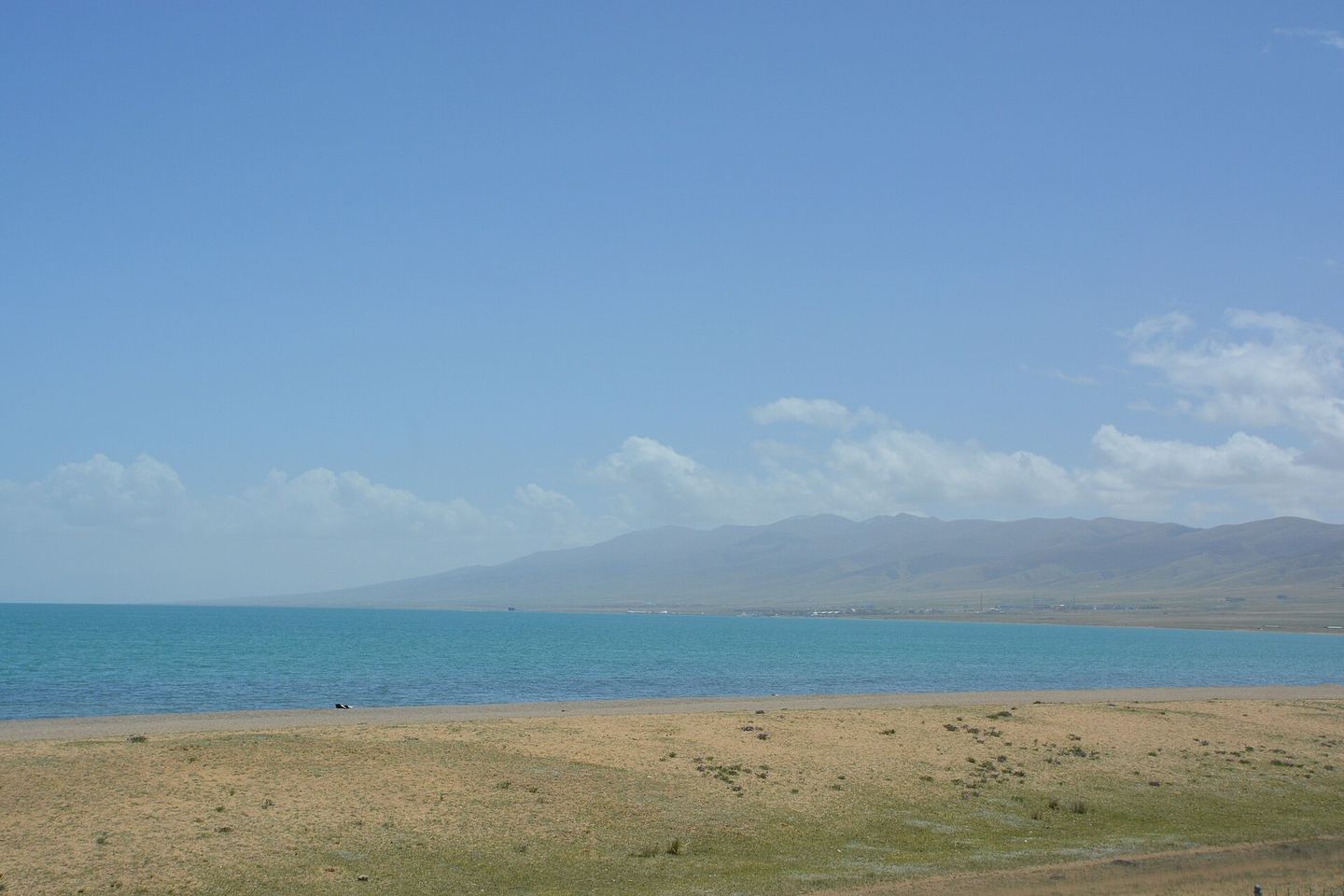
The three faces of the lake
Qinghai Lake looks like a different place across the year. From June to September the water is open and the grassland around it is green, which is the season most travellers picture. In July the rapeseed fields open along the shore in a wide band of yellow, the most photographed sight of the summer. In winter the surface freezes, and the ice and snow give the lake a stark, quiet beauty of its own.
Matching the window to what you want
The best month depends on the picture in your head. July delivers the flowers but also the largest crowds, so the shoreline and the popular viewpoints are busy and the lakeside rooms go early. June and September offer similar weather with far fewer people, which is why we recommend them more often than not.
- Rapeseed bloom: aim for July, and confirm the fields close to departure
- Quieter shorelines: June or September, with easier rooms and viewpoints
- Winter ice and snow: beautiful and empty, but very cold
- Flexible dates: let us match the month to that year's temperatures
What people underestimate
Two things catch guests out. The first is the cold at night, even in high summer, because the lake sits high and the temperature drops sharply after sunset. The second is the strength of the sun at this altitude, where a hat, sunglasses and sunscreen matter more than they would at sea level.
Crowds are the third. The difference between a July afternoon and a September morning at the same viewpoint is considerable, and for photographers it is often the deciding factor.
When to just ask us
If the bloom or the ice is the reason for your trip, tell us the month you can travel and we will advise honestly on what to expect that year, then build the rest of the itinerary around it so the lake falls on the best day you can manage.
This question comes from Qinghai Lake & Chaka Salt Lake